 DRIVE
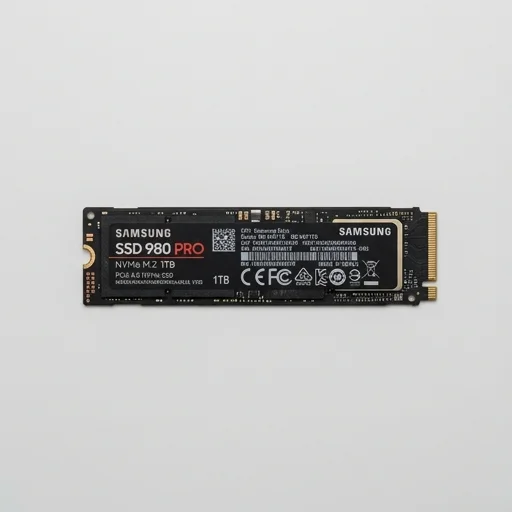
DRIVESamsung 980 PRO 1TB NVMe M.2 SSD
- Blazing PCIe 4.0 speeds
- Trusted Samsung reliability
- Great for custom builds
The Samsung 980 PRO 1TB remains a top-tier NVMe SSD choice for gamers and content creators who want blistering PCIe 4.0 speeds paired with Samsung's renowned reliability.
- Capacity1TB
- InterfacePCIe Gen 4.0 x4, NVMe 1.3c
- Sequential Read Speed7,000 MB/s
As an Amazon Associate we earn from qualifying purchases.
// Datasheet
Technical specifications
| Capacity | 1TB |
|---|---|
| Interface | PCIe Gen 4.0 x4, NVMe 1.3c |
| Sequential Read Speed | 7,000 MB/s |
| Sequential Write Speed | 5,000 MB/s |
| Form Factor | M.2 2280 |
// Verdict
Our take
The Samsung 980 PRO 1TB remains a top-tier NVMe SSD choice for gamers and content creators who want blistering PCIe 4.0 speeds paired with Samsung's renowned reliability. While thermal throttling can occur under extreme loads without additional cooling, its real-world performance, software support, and endurance make it a worthwhile investment for a modern custom PC build.
// Trade-offs
Pros and cons
+What we like
- Blazing fast sequential read/write speeds
- Excellent random IOPS for gaming and productivity
- Backward compatible with PCIe 3.0 systems
- Reliable Samsung Magician software for monitoring
- Strong endurance rating for a consumer drive
- Compact M.2 2280 form factor fits most motherboards
−Watch out for
- Runs hot under sustained heavy workloads without a heatsink
- No DRAM-less option means slightly higher price point
- Performance gains are minimal without a PCIe 4.0 motherboard
- Capacity-to-price ratio less competitive than newer Gen4 drives
// Feature set
Key features
- 01PCIe Gen 4.0 x4 interface
- 02Samsung Elpis controller
- 03V-NAND 3-bit MLC flash memory
- 04Up to 7,000 MB/s sequential read speed
- 05Up to 5,000 MB/s sequential write speed
- 06Nickel-coated controller with heat spreader label
- 07AES 256-bit hardware encryption
- 085-year limited warranty or 600 TBW
// Long read
Full review
The Samsung 980 Pro 1TB is a PCIe 4.0 NVMe M.2 SSD built for enthusiasts and builders who want their custom rig to feel genuinely next-generation rather than just marginally faster than the last. Samsung's in-house Elpis controller pairs with proprietary V-NAND memory to deliver sequential read speeds up to 7,000 MB/s and writes up to 5,000 MB/s, figures that actually hold up under sustained workloads rather than collapsing after a short burst. For a PC components build centered on performance, this drive slots directly onto the motherboard's M.2 connector, bypassing SATA bottlenecks entirely and making full use of a PCIe 4.0-capable chipset on platforms like AMD X570/B550 or Intel's 11th-gen and newer boards.
What makes the 980 Pro a favorite among custom-build enthusiasts is how it balances raw throughput with real-world reliability. Samsung backs the drive with a five-year limited warranty and endurance ratings up to 600TB written for the 1TB model, giving builders confidence that it can handle years of game installs, video editing scratch disks, or compiling large codebases without premature wear. Nickel-coated controller and an improved heat spreader label help manage thermal throttling, a known weak point in high-bandwidth PCIe 4.0 drives, so sustained transfers during large asset loads or 4K video exports stay consistent rather than tapering off halfway through.
In a custom build, this SSD is typically chosen as the primary boot and application drive, where its near-instant load times transform the daily experience of using the machine, from snappier OS boot-up to drastically reduced level-load times in demanding titles. It pairs well with Samsung's Magician software for drive health monitoring, firmware updates, and performance tuning, giving builders a straightforward way to keep the component optimized over its lifespan. Whether the system is a gaming powerhouse, a content-creation workstation, or a high-performance workstation for development work, the 980 Pro 1TB delivers the kind of storage backbone that lets every other component, GPU, CPU, and RAM alike, perform without being held back by disk I/O.
// Alternatives
More storage to compare
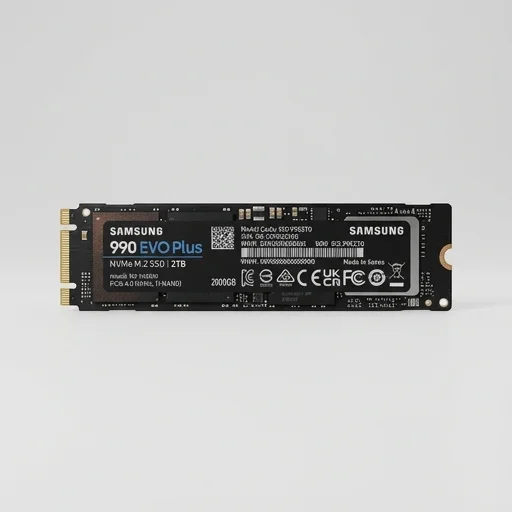 DRIVESamsung 990 EVO Plus 2TB NVMe SSDBlazing-fast PCIe speeds4.6
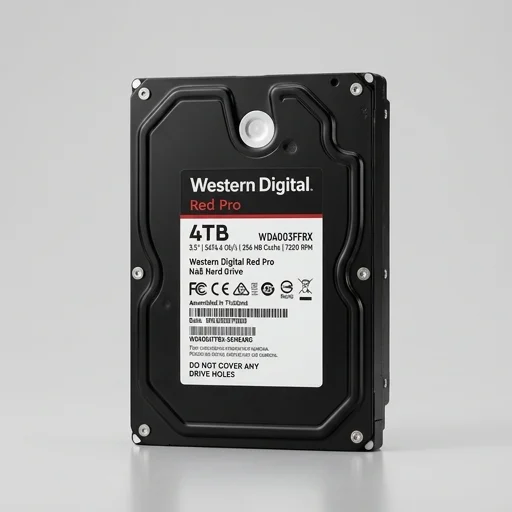 DRIVEWestern Digital Red Pro 4TB HDD24/7 NAS reliability4.6
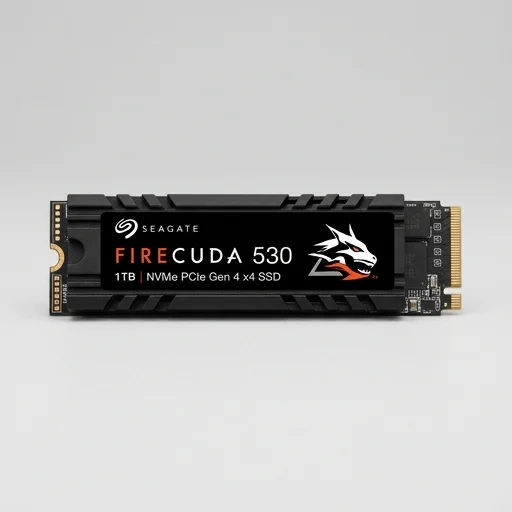 DRIVESeagate FireCuda 530 1TB NVMe SSDBlazing 7300 MB/s speeds4.6
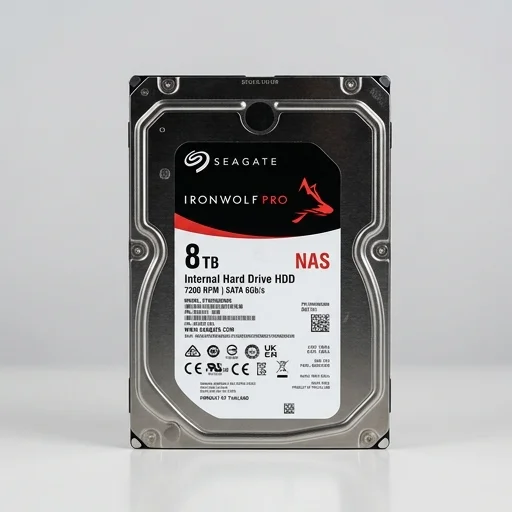 DRIVESeagate IronWolf Pro 8TBEnterprise-grade NAS reliability4.6
// Complete the build