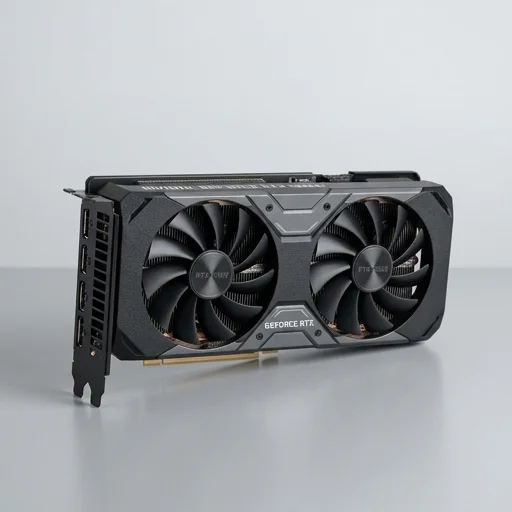
 GPU
GPUNVIDIA GeForce RTX 3060
- 12GB VRAM included
- Ray tracing ready
- Great 1440p performance
The RTX 3060 remains a strong mid-range choice for gamers and builders wanting reliable 1080p and 1440p performance with the added benefit of ray tracing and DLSS.
- Memory12GB GDDR6
- Memory Bus192-bit
- Boost Clock1.78 GHz
As an Amazon Associate we earn from qualifying purchases.
// Datasheet
Technical specifications
| Memory | 12GB GDDR6 |
|---|---|
| Memory Bus | 192-bit |
| Boost Clock | 1.78 GHz |
| TDP | 170W |
| Interface | PCIe 4.0 x16 |
// Verdict
Our take
The RTX 3060 remains a strong mid-range choice for gamers and builders wanting reliable 1080p and 1440p performance with the added benefit of ray tracing and DLSS. Its 12GB of VRAM offers future-proofing that punches above its price class, making it a dependable pick for custom builds focused on value.
// Trade-offs
Pros and cons
+What we like
- Generous 12GB VRAM for 1080p/1440p gaming
- Solid ray tracing performance for its class
- DLSS support boosts frame rates significantly
- Efficient power consumption relative to performance
- Good value for 1440p gaming builds
−Watch out for
- Memory bus width limits bandwidth vs higher tiers
- Not ideal for 4K gaming in demanding titles
- Can be bottlenecked by older CPUs
- Availability and pricing fluctuate with demand
// Feature set
Key features
- 0112GB GDDR6 memory
- 02Ampere architecture with 2nd-gen RT Cores
- 033rd-gen Tensor Cores for DLSS
- 04PCIe 4.0 support
- 05NVIDIA Reflex low-latency technology
- 06HDMI 2.1 and DisplayPort 1.4a outputs
// Long read
Full review
The NVIDIA GeForce RTX 3060 remains one of the most popular graphics cards for gamers and PC builders looking for a dependable balance between price and performance. Built on NVIDIA's Ampere architecture, it features 3,584 CUDA cores, second-generation RT cores for real-time ray tracing, and third-generation Tensor Cores that power DLSS, NVIDIA's AI-driven upscaling technology. Paired with 12GB of GDDR6 memory on a 192-bit bus, the card offers more video memory than many higher-tier cards in its generation, making it well suited for 1080p and 1440p gaming, as well as creative workloads that benefit from extra VRAM headroom, such as video editing and 3D rendering.
In day-to-day use, the RTX 3060 delivers smooth frame rates in modern AAA titles at high settings, and with ray tracing enabled, DLSS helps recover performance that would otherwise be lost to the added visual fidelity. It's a strong choice for building a mid-range gaming rig that can also handle esports titles at high refresh rates without breaking a sweat. The card supports the latest display outputs, including HDMI 2.1 and DisplayPort 1.4a, allowing it to drive high-resolution, high-refresh-rate monitors, and it's compatible with NVIDIA's suite of software tools like GeForce Experience, Reflex for reduced input latency, and Broadcast for AI-enhanced streaming and content creation.
For custom PC builders, the RTX 3060 is an attractive component thanks to its relatively modest power draw, typically around 170 watts, which makes it compatible with a wide range of power supplies and case sizes without demanding an aggressive cooling solution. Many board partners, including ASUS, MSI, Gigabyte, and Zotac, offer their own versions of the card with varying cooler designs, clock speeds, and aesthetics, giving builders flexibility to match their rig's theme and thermal needs. Whether slotted into a budget-focused build or used as a stepping stone toward a more powerful system down the line, the GeForce RTX 3060 continues to be a reliable workhorse GPU that delivers consistent value for gamers and creators alike.
// Alternatives
More graphics cards to compare
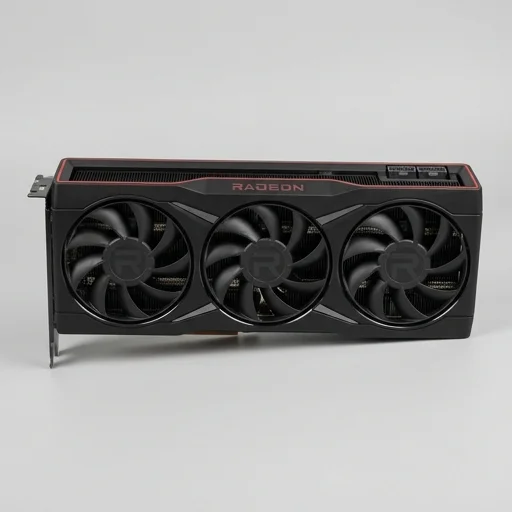 GPUAMD Radeon RX 7900 XTMassive 20GB VRAM4.3
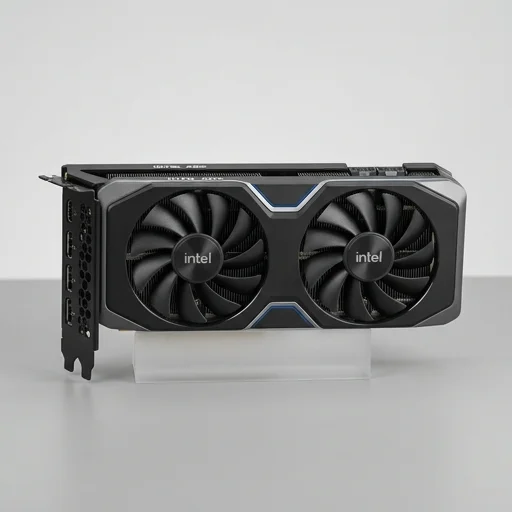 GPUIntel Arc B58012GB VRAM included4.3
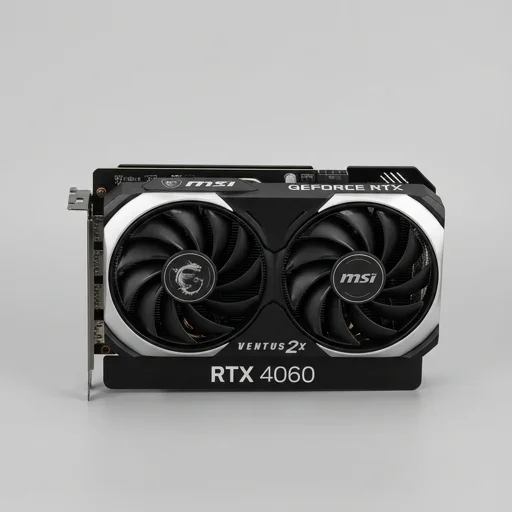 GPUMSI Ventus 2X RTX 4060 8G OCQuiet dual-fan cooling4.3
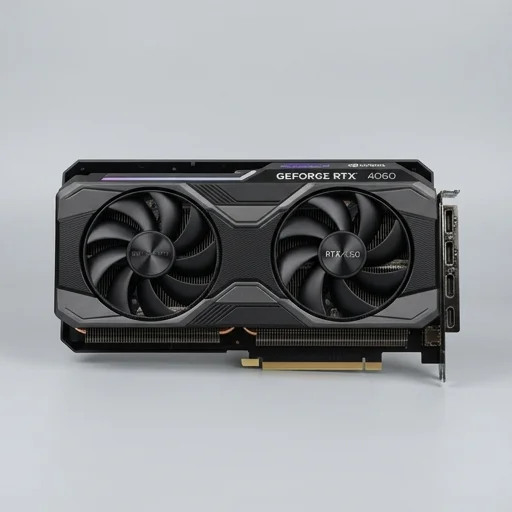 GPUNVIDIA GeForce RTX 4060Efficient 1080p gaming4.2
// Complete the build