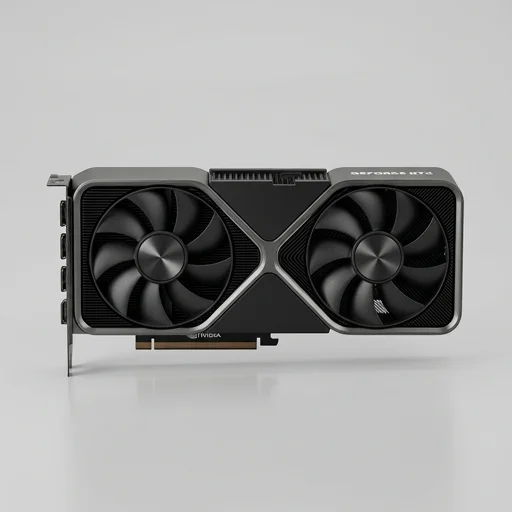
 GPU
GPUNVIDIA GeForce RTX 4070
- Smooth 1440p gaming
- DLSS 3 frame boost
- Efficient cool performance
The RTX 4070 is a well-balanced 1440p powerhouse that delivers strong ray tracing performance, excellent power efficiency, and DLSS 3 frame generation in a compact, cool-running package.
- CUDA Cores5888
- Memory12GB GDDR6X
- Memory Bus192-bit
As an Amazon Associate we earn from qualifying purchases.
// Datasheet
Technical specifications
| CUDA Cores | 5888 |
|---|---|
| Memory | 12GB GDDR6X |
| Memory Bus | 192-bit |
| Boost Clock | 2.48 GHz |
| TDP | 200W |
// Verdict
Our take
The RTX 4070 is a well-balanced 1440p powerhouse that delivers strong ray tracing performance, excellent power efficiency, and DLSS 3 frame generation in a compact, cool-running package. While its 192-bit bus and 12GB of VRAM leave some headroom for future 4K titles, it remains one of the best choices for gamers wanting high framerates without the power draw or price tag of flagship cards.
// Trade-offs
Pros and cons
+What we like
- Excellent 1440p performance at high frame rates
- Significantly more power efficient than previous generation
- DLSS 3 Frame Generation boosts performance in supported titles
- Runs cool and quiet under load
- Compact form factor fits most cases
- Supports AV1 encoding for streaming and content creation
−Watch out for
- 192-bit memory bus limits bandwidth versus higher-tier cards
- 12GB VRAM may constrain some future 4K titles
- Price premium compared to previous-gen equivalents
- 4K gaming requires DLSS for consistently high framerates
// Feature set
Key features
- 01Ada Lovelace architecture with 5888 CUDA cores
- 0212GB GDDR6X memory on a 192-bit bus
- 03DLSS 3 with Frame Generation support
- 043rd-gen RT Cores for real-time ray tracing
- 05PCIe 4.0 interface with single 16-pin power connector
- 06Dual or triple fan cooling depending on AIB model
// Long read
Full review
The NVIDIA GeForce RTX 4070 stands as a compelling mid-to-high range graphics card built on the efficient Ada Lovelace architecture, delivering a meaningful leap in rasterization and ray tracing performance for PC builders who want 1440p dominance and credible 4K capability without stepping into flagship pricing territory. Equipped with 12GB of GDDR6X memory and a 192-bit memory bus, the card leans heavily on NVIDIA's fourth-generation Tensor Cores and third-generation RT Cores to accelerate DLSS 3 frame generation, allowing modern titles to render at dramatically higher frame rates while maintaining sharp image quality. Its CUDA core count and boost clocks place it comfortably above the previous generation's RTX 3080 in many workloads, making it a popular choice for gamers upgrading from aging Pascal or Turing-based cards.
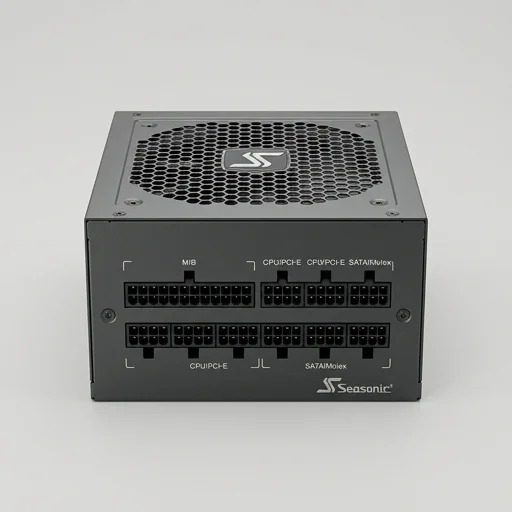
For custom PC builders, the RTX 4070 is especially attractive because of its relatively modest power draw, typically rated around 200 watts, which means many systems can run it reliably on a 650W power supply without requiring a full PSU overhaul. This efficiency, paired with a compact dual or triple-fan cooler design depending on the board partner, makes it a strong fit for mid-tower builds where thermal headroom and cable management matter. The card uses a single 16-pin PCIe power connector on reference-style designs, though many third-party versions from ASUS, MSI, Gigabyte, and Zotac opt for traditional 8-pin connectors, giving builders flexibility depending on their existing power supply cabling.
Beyond raw specs, the RTX 4070 benefits from NVIDIA's broader software ecosystem, including NVIDIA Reflex for reduced system latency in competitive titles, NVIDIA Broadcast for AI-enhanced streaming and content creation, and full support for DLSS 3's frame generation technology in an expanding library of supported games. Content creators also gain from the card's AV1 encoding support, which improves streaming efficiency on platforms that support the codec. Whether slotted into a fresh custom build centered around the latest AM5 or LGA1700 platforms, or used as a drop-in upgrade for an existing rig, the GeForce RTX 4070 offers a balanced mix of performance, power efficiency, and feature support that appeals to enthusiasts building a capable, future-ready gaming PC.
// Alternatives
More graphics cards to compare
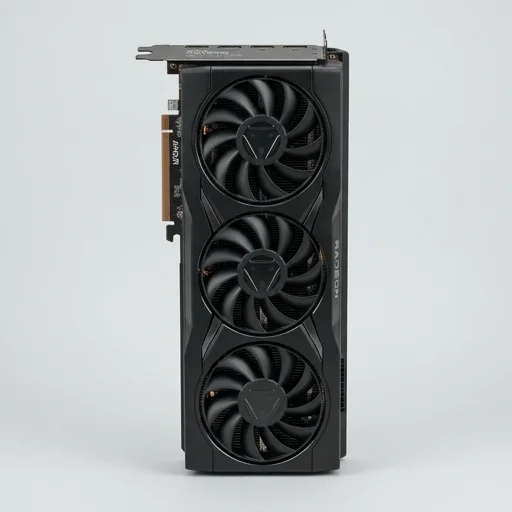 GPUAMD Radeon RX 7900 XTX24GB VRAM capacity4.4
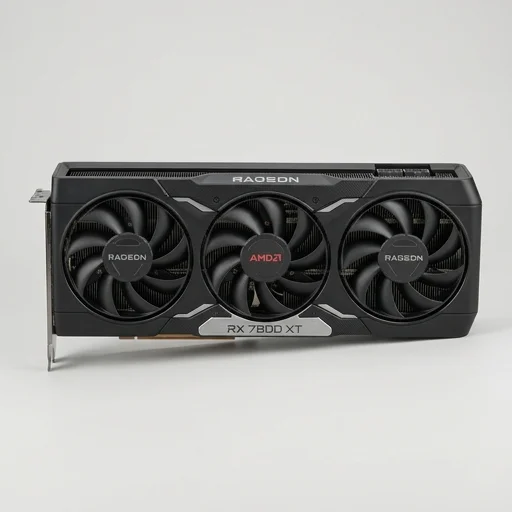 GPUAMD Radeon RX 7800 XTStrong 1440p performance4.4
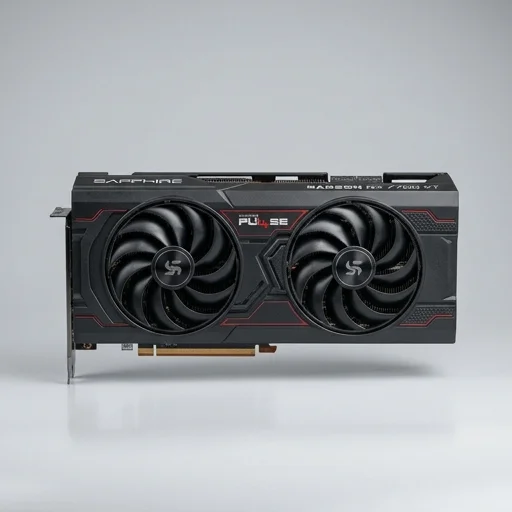 GPUSapphire Pulse Radeon RX 7700 XTQuiet triple-fan cooling4.4
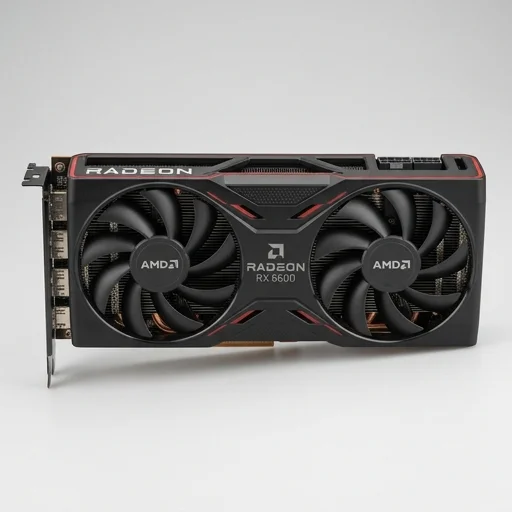 GPUAMD Radeon RX 6600Smooth 1080p gaming4.4
// Complete the build