 RAM
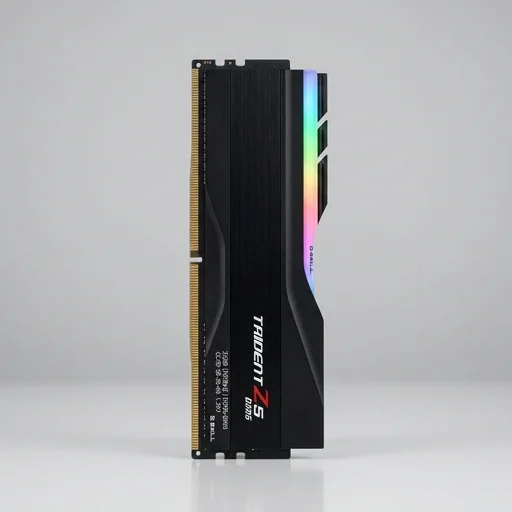
RAMG.Skill Trident Z5 Neo 32GB DDR5
- AMD EXPO ready
- CL30 high-speed timings
- Premium aluminum design
The G.Skill Trident Z5 Neo 32GB DDR5 kit delivers outstanding performance for AMD Ryzen builds, combining tight CL30 timings at 6000MHz with a clean, RGB-free aesthetic.
- Capacity32GB (2x16GB)
- SpeedDDR5-6000MHz
- TimingsCL30-38-38-96
As an Amazon Associate we earn from qualifying purchases.
// Datasheet
Technical specifications
| Capacity | 32GB (2x16GB) |
|---|---|
| Speed | DDR5-6000MHz |
| Timings | CL30-38-38-96 |
| Voltage | 1.35V |
| Compatibility | AMD EXPO / Intel XMP 3.0 |
// Verdict
Our take
The G.Skill Trident Z5 Neo 32GB DDR5 kit delivers outstanding performance for AMD Ryzen builds, combining tight CL30 timings at 6000MHz with a clean, RGB-free aesthetic. It's a dependable choice for gamers and content creators seeking stable, high-speed memory without the premium of lighting features.
// Trade-offs
Pros and cons
+What we like
- Excellent out-of-box AMD EXPO performance
- Tight CL30 timings at high frequency
- Sturdy, attractive heatspreader design
- Strong overclocking headroom for enthusiasts
- Low-profile enough for most CPU coolers
- Reliable dual-channel kit matching advertised speeds
−Watch out for
- No RGB lighting option on Neo series
- Premium pricing compared to standard DDR5 kits
- Requires compatible motherboard for full EXPO/XMP speeds
- Heatspreader height may interfere with some low-clearance cases
// Feature set
Key features
- 0132GB (2x16GB) dual-channel DDR5 kit
- 02AMD EXPO optimized for Ryzen 7000 series
- 03Speeds up to DDR5-6000 CL30
- 04Unique two-tone brushed aluminum heatspreader
- 05Intel XMP 3.0 compatible profiles included
- 0610-layer PCB for improved signal integrity and overclocking headroom
// Long read
Full review
The G.Skill Trident Z5 Neo 32GB DDR5 kit stands as one of the most sought-after memory solutions for AMD Ryzen builds, engineered specifically to harness the full potential of AM5 platforms. Typically sold as a dual-channel 2x16GB configuration, this kit carries forward the iconic Trident Z aesthetic with its distinctive two-tone brushed metal heatspreader design, now refined for EXPO compatibility rather than Intel's XMP standard. The Neo variant specifically targets Ryzen 7000 series processors, ensuring that memory controllers and infinity fabric timings align for optimal stability straight out of the box, eliminating much of the manual tuning headaches that plagued early DDR5 adopters.
Performance-wise, this kit typically ships in speeds ranging from 6000MHz to 6400MHz, hitting what many enthusiasts consider the sweet spot for Ryzen 7000 and 9000 series CPUs, where the memory controller and infinity fabric clock ratio deliver the best balance of bandwidth and latency. CAS latencies hover around CL30 to CL32 depending on the specific SKU, translating into snappy responsiveness for both gaming workloads and productivity tasks like video editing or compiling code. The one-click AMD EXPO profile support means users can achieve these rated speeds without wrestling with BIOS menus, a meaningful convenience for builders who want performance without the overclocking rabbit hole. Underneath the heatspreaders, G.Skill employs hand-screened IC chips, a practice that has historically given Trident Z memory a reputation for headroom when manual overclocking is desired.
Physically, the module height remains moderate compared to some flashier RGB-laden competitors, making the Trident Z Neo kit a safer bet for builds with large air coolers or tight case clearances, though buyers should still verify compatibility with oversized tower coolers. The kit comes in various color schemes including matte black and silver finishes, appealing to both stealth-themed and classic silver-and-black builds without RGB lighting complexity to manage. Backed by G.Skill's limited lifetime warranty, this DDR5 kit represents a dependable, performance-oriented choice for PC builders assembling Ryzen-based systems who prioritize plug-and-play stability alongside genuine overclocking potential for those willing to dig into BIOS settings later.
// Alternatives
More memory to compare
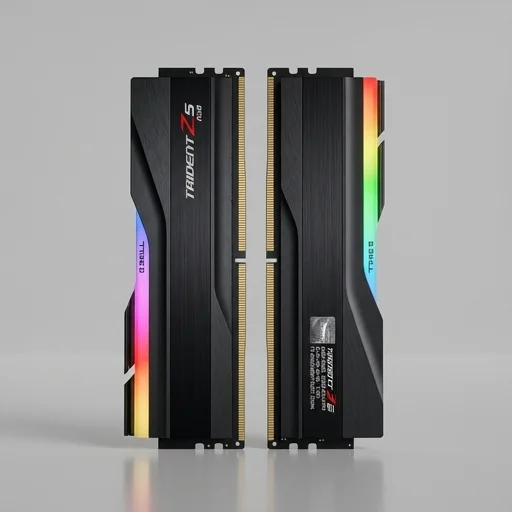 RAMG.Skill Trident Z5 RGB 32GB DDR5 (2x16GB)Blazing 6400MT/s speeds4.6
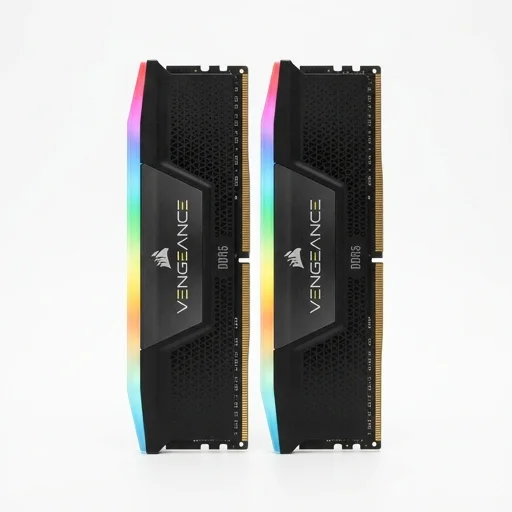 RAMCorsair Vengeance RGB 32GB DDR5Fast DDR5 speeds4.6
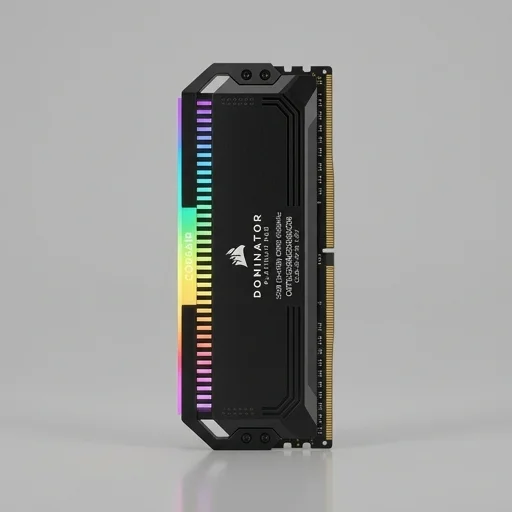 RAMCorsair Dominator Platinum RGB 32GB DDR5Stunning RGB lighting4.6
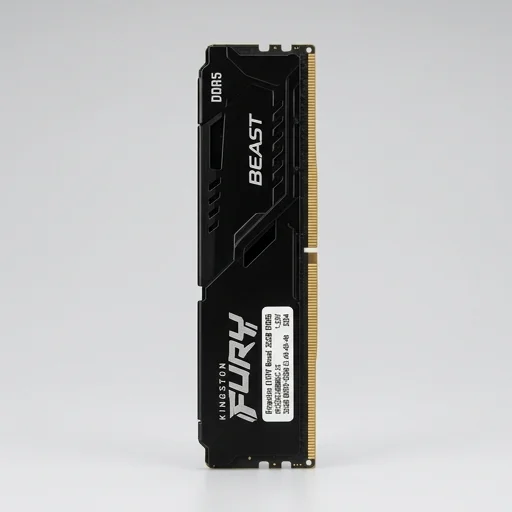 RAMKingston FURY Beast 32GB DDR5Easy XMP overclocking4.6
// Complete the build