 DRIVE
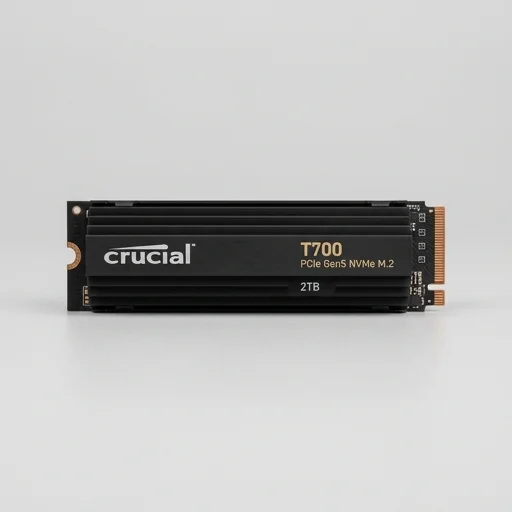
DRIVECrucial T700 2TB NVMe SSD
- Extreme Gen5 speeds
- Ideal for creators
- Reliable Micron NAND
The Crucial T700 2TB is a top-tier choice for enthusiasts and professionals who need extreme Gen5 throughput for content creation, large dataset handling, or future-proofing a high-end build.
- Capacity2TB
- InterfacePCIe Gen5 x4
- Sequential Read12,400 MB/s
As an Amazon Associate we earn from qualifying purchases.
// Datasheet
Technical specifications
| Capacity | 2TB |
|---|---|
| Interface | PCIe Gen5 x4 |
| Sequential Read | 12,400 MB/s |
| Sequential Write | 11,800 MB/s |
| Warranty | 5 years |
// Verdict
Our take
The Crucial T700 2TB is a top-tier choice for enthusiasts and professionals who need extreme Gen5 throughput for content creation, large dataset handling, or future-proofing a high-end build. Its performance ceiling is impressive, but you'll need a Gen5 platform and good airflow to truly benefit.
// Trade-offs
Pros and cons
+What we like
- Blazing fast Gen5 sequential speeds
- Great for 8K video editing and large file transfers
- DRAM cache improves sustained performance
- Heatsink version keeps thermals in check
- Backed by Micron's NAND reliability
−Watch out for
- Requires a PCIe Gen5-capable motherboard to hit top speeds
- Runs hot without adequate cooling
- Pricier than Gen4 alternatives
- Overkill for typical gaming-only builds
// Feature set
Key features
- 01PCIe Gen5 x4 interface
- 02Up to 12,400 MB/s sequential read speed
- 03Up to 11,800 MB/s sequential write speed
- 04Micron advanced 3D TLC NAND
- 05Available with or without integrated aluminum heatsink
- 06Crucial Storage Executive software support
- 075-year limited warranty
// Long read
Full review
The Crucial T700 2TB NVMe SSD represents a significant leap forward for PC builders chasing the fastest possible storage performance available on the consumer market. Built on the PCIe Gen5 interface, this drive leverages Micron's latest NAND flash technology to deliver sequential read speeds up to 12,400 MB/s and sequential write speeds up to 11,800 MB/s, numbers that dwarf even high-end PCIe Gen4 drives. For builders constructing high-performance workstations or enthusiast gaming rigs with Gen5-capable motherboards, this drive effectively removes storage as a bottleneck, making it one of the few components capable of fully saturating modern chipset bandwidth.
In real-world terms, the T700 excels in scenarios where raw throughput and low latency genuinely matter: loading massive game worlds with minimal pop-in, scrubbing through 8K video timelines without stutter, compiling large codebases, or transferring enormous asset libraries in seconds rather than minutes. Crucial offers the drive with an optional heatsink variant specifically designed for desktop builds, featuring an aluminum fin-stack design that keeps thermals in check during sustained workloads, which is critical given how hot Gen5 controllers can run under heavy load. The 2TB capacity point hits a sweet spot for serious builders, offering enough headroom for a sizeable game library, creative project files, or a full OS plus application suite without forcing constant file management decisions.
Backed by a five-year limited warranty and rated for up to 1,200 terabytes written, the Crucial T700 2TB is engineered for longevity alongside its blistering speed, making it a sound investment rather than a short-term novelty. It installs like any standard M.2 NVMe drive, though builders should confirm their motherboard supports PCIe Gen5 x4 to unlock its full potential, as it remains backward compatible with Gen4 slots at reduced speeds. For anyone assembling a no-compromise custom build centered on cutting-edge components, this SSD pairs naturally with current-generation CPUs and GPUs, rounding out a system where every subsystem is pushing the boundary of what consumer PC hardware can deliver.
// Alternatives
More storage to compare
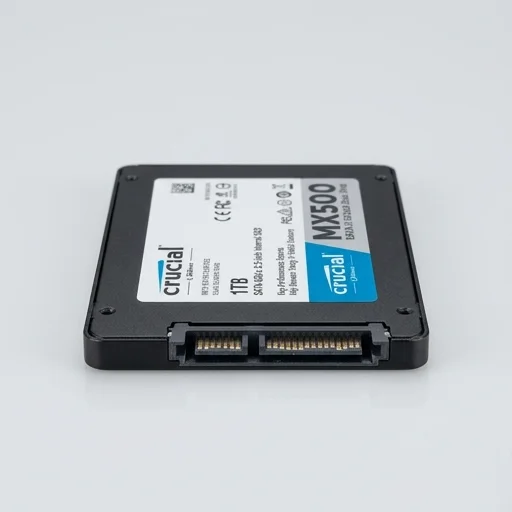 DRIVECrucial MX500 1TB SATA SSDReliable 5-year warranty4.6
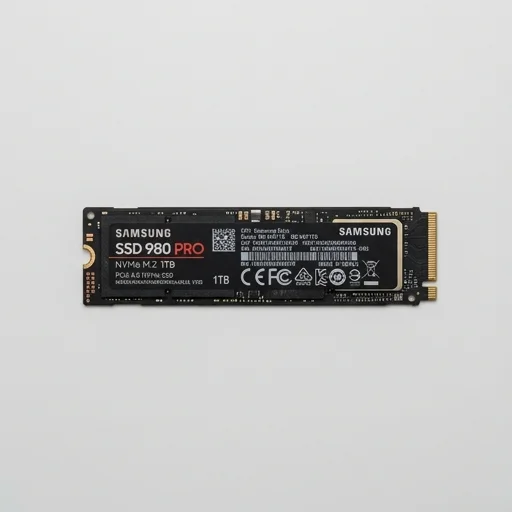 DRIVESamsung 980 PRO 1TB NVMe M.2 SSDBlazing PCIe 4.0 speeds4.6
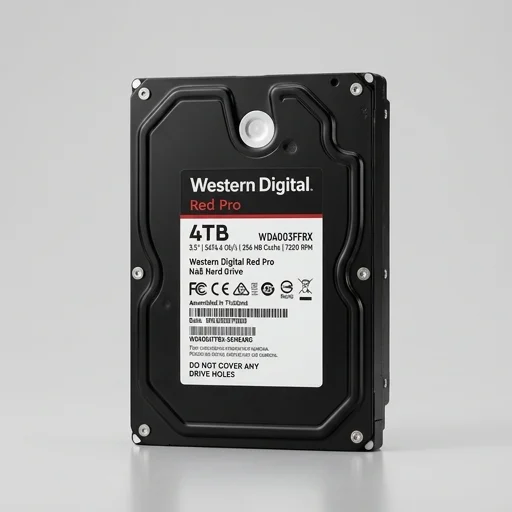 DRIVEWestern Digital Red Pro 4TB HDD24/7 NAS reliability4.6
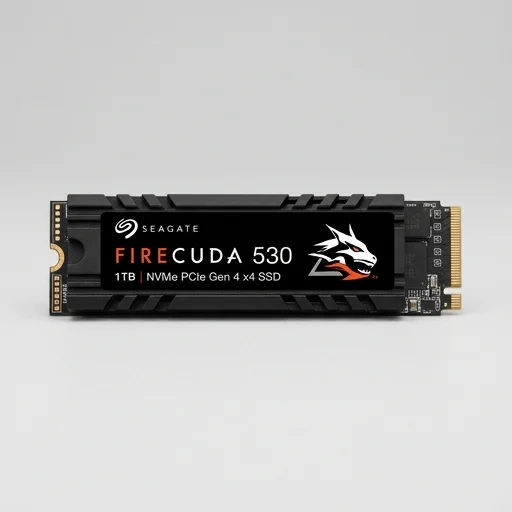 DRIVESeagate FireCuda 530 1TB NVMe SSDBlazing 7300 MB/s speeds4.6
// Complete the build